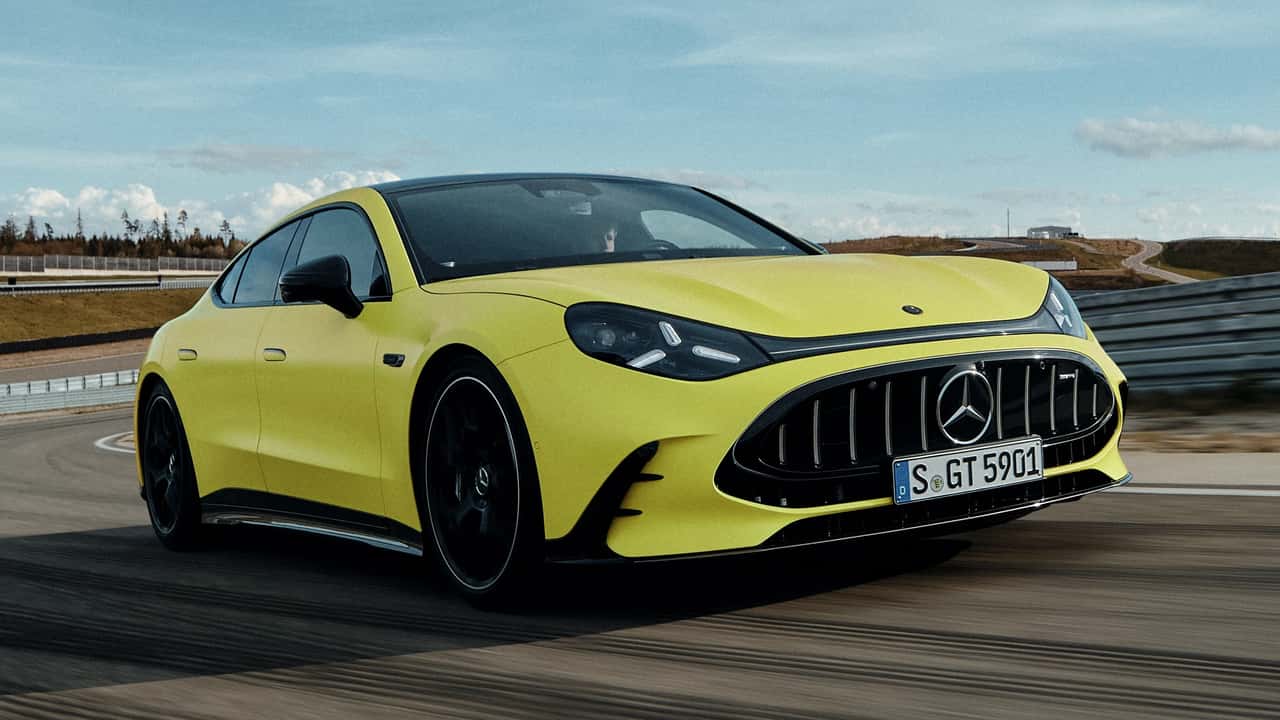
A Mercedes Executive Reportedly Said The Electric GT 'Shouldn’t Exist'
Article summary
The automotive world thrives on passionate debate and the occasional bombshell, and a recent whisper from within the hallowed halls of Stuttgart has sent a jolt through the industry: a high-ranking Mercedes-Benz executive reportedly declared that the electric AMG GT "shouldn't exist." This isn't mere water cooler chatter; it's a profound statement that peels back the veneer of unified corporate vision, revealing a fascinating internal tension at the very heart of one of the world's most revered performance brands. It forces us to ask: even as the automotive titans race towards an electrified future, are there still those at the top who question the fundamental soul of these new machines?
For decades, the AMG GT has epitomized a very specific kind of automotive passion: a guttural V8 roar, a muscular, rear-wheel-drive stance, and a driver connection forged through raw power and precise engineering. It's a car that doesn't just accelerate; it *sings*. The very idea of an electric GT, devoid of that iconic soundtrack and the visceral vibrations of a combustion engine, presents an existential crisis for some purists, both inside and outside the company. The executive's alleged comment speaks volumes about the struggle to reconcile AMG's rich, petrol-soaked heritage with the silent, instant-torque future of electric powertrains. It's a clash between the established definition of performance and the new frontier.
AMG, born from a desire for racing performance in a small German town, built its legend on tuning Mercedes-Benz engines to prodigious power outputs. From the legendary "Red Pig" to modern-day hyper-sedans and sports cars, the brand's identity has been inextricably linked to audacious internal combustion. Mercedes-Benz itself has committed heavily to its "Electric First" strategy, pouring billions into the EQ sub-brand and developing dedicated EV platforms. This alleged internal dissent highlights the immense pressure on traditional brands to adapt, but also the deep-seated emotional attachment to what made them great in the first place. Is an electric AMG GT a natural evolution or a betrayal of its core DNA?
Beyond philosophical debates, there are formidable engineering realities that an electric AMG GT must confront. The fundamental challenge lies in weight: batteries are heavy, and adding enough capacity for serious performance and range can easily push a vehicle's curb weight past 2.5 tonnes. How do you imbue a car of that mass with the agility, responsiveness, and delicate balance expected of a true GT? Porsche has demonstrated with the Taycan that electrifying performance is possible, but achieving the unique AMG "feel" – that blend of brute force and refined aggression – requires bespoke solutions in motor development, thermal management, chassis tuning, and even synthetic sound generation. The engineering tightrope walk is immense, and perhaps this executive questions if the compromises outweigh the gains.
This reported sentiment isn't just an internal squabble; it carries significant market implications. It suggests that even within the industry's leading innovators, there's a recognition of the uphill battle in convincing traditional enthusiasts that electric performance can be as engaging, or even superior, to its ICE predecessors. For consumers, it might fuel skepticism about the authenticity of electric performance vehicles from heritage brands. The future of high-performance motoring is undoubtedly electric, but the journey there is clearly fraught with internal conflict, technological hurdles, and the delicate task of preserving a brand's soul while embracing a revolutionary new paradigm. The question isn't whether electric AMGs *will* exist, but whether they can truly capture the magic that made their ancestors legendary.
OBD2HQ context
This article helps vehicle owners track changes that may affect maintenance cost, safety technology, service access and resale value. It is not a diagnostic procedure; if you have a warning light or symptom, open the matching OBD2 code, vehicle profile or car problem finder.