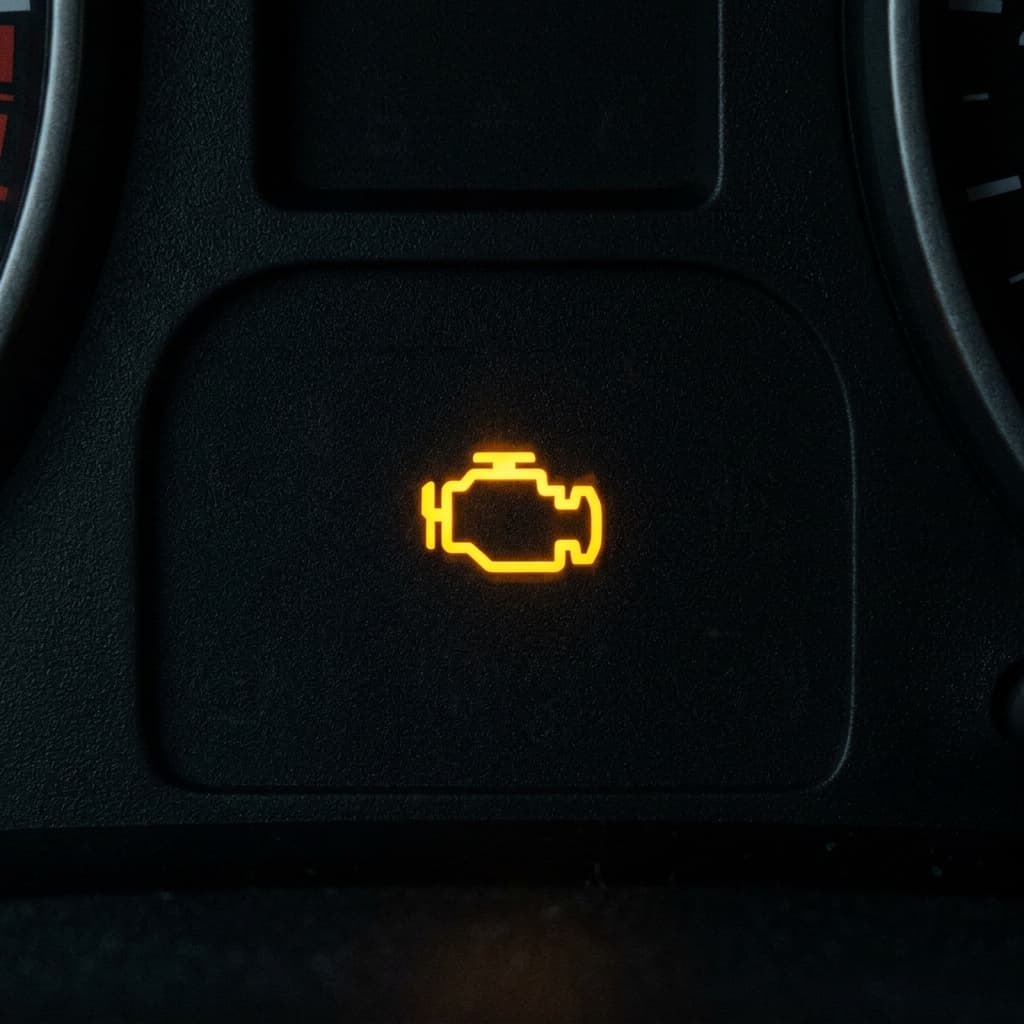
Check Engine Light
The check engine light is part of your car's onboard diagnostics (OBD) system. It indicates an issue with the engine, emissions, or powertrain.
Connecting to diagnostic database
Identify dashboard warning lights by symbol, urgency and first checks. Learn when to stop, what to scan, and which OBD2 codes may be related.
Red oil, brake, coolant temperature or a flashing check engine light can mean stop safely. Yellow lights usually need diagnosis soon, but the symbol and symptoms decide the risk.
The check engine light is part of your car's onboard diagnostics (OBD) system. It indicates an issue with the engine, emissions, or powertrain.
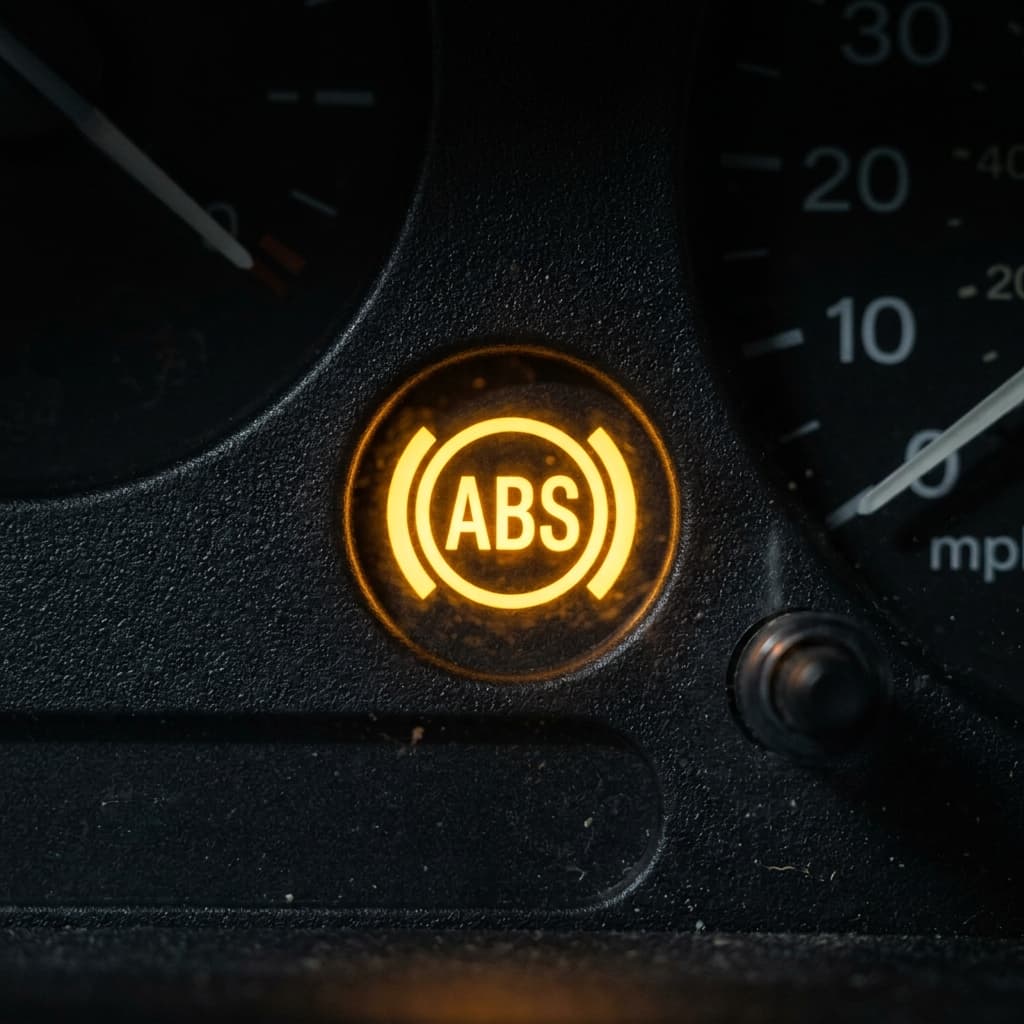
Indicates a problem with the Anti-lock Braking System. Normal braking will still function, but the anti-lock feature is disabled.
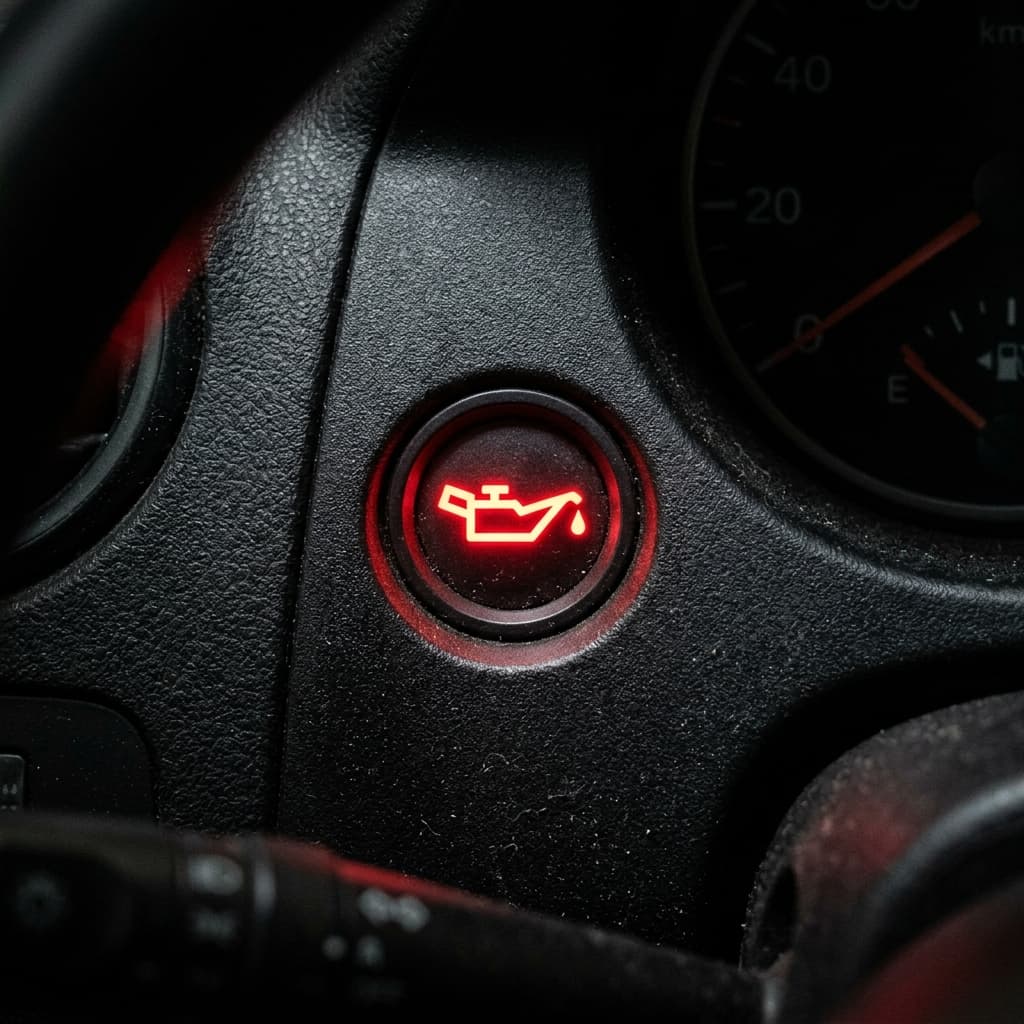
Indicates that the engine has lost oil pressure or the oil level is critically low. This is one of the most serious warning lights.
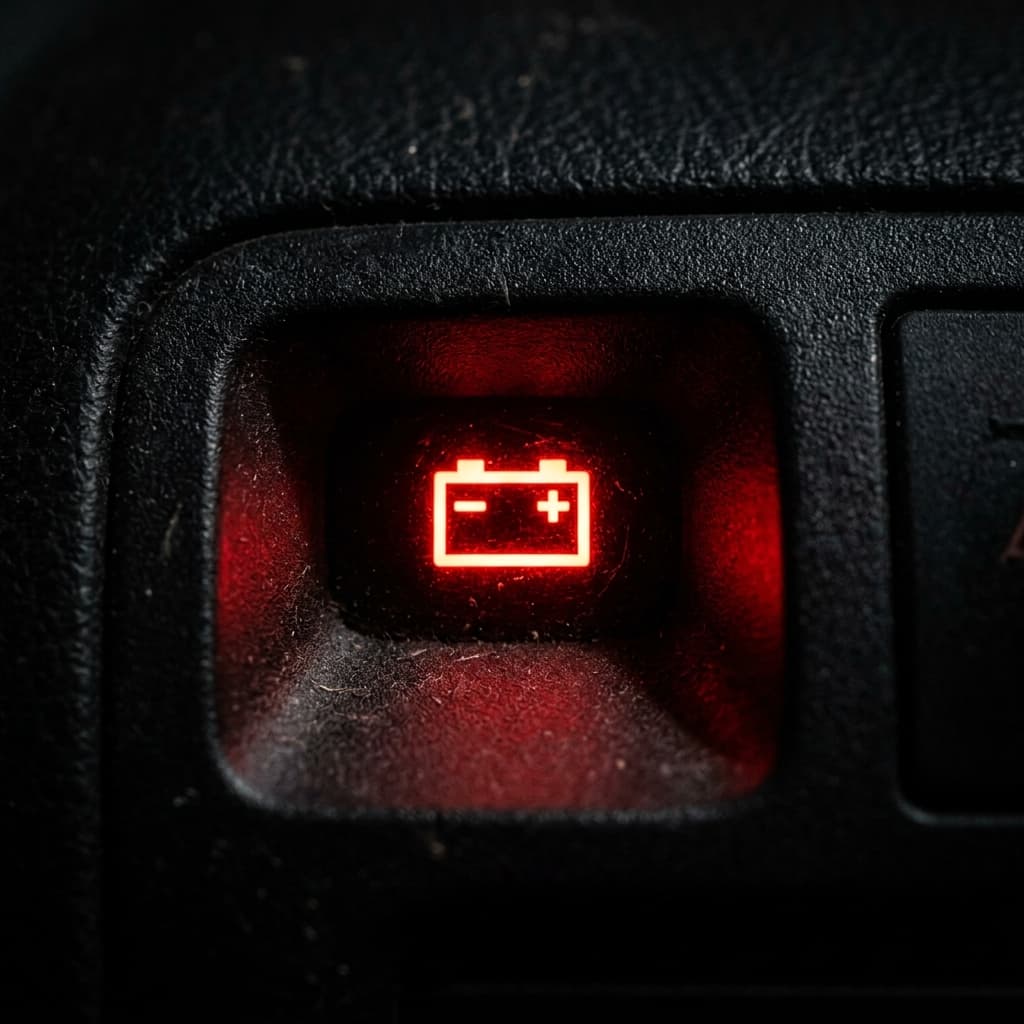
Indicates a problem with the vehicle's charging system, meaning the battery is not being charged by the alternator.
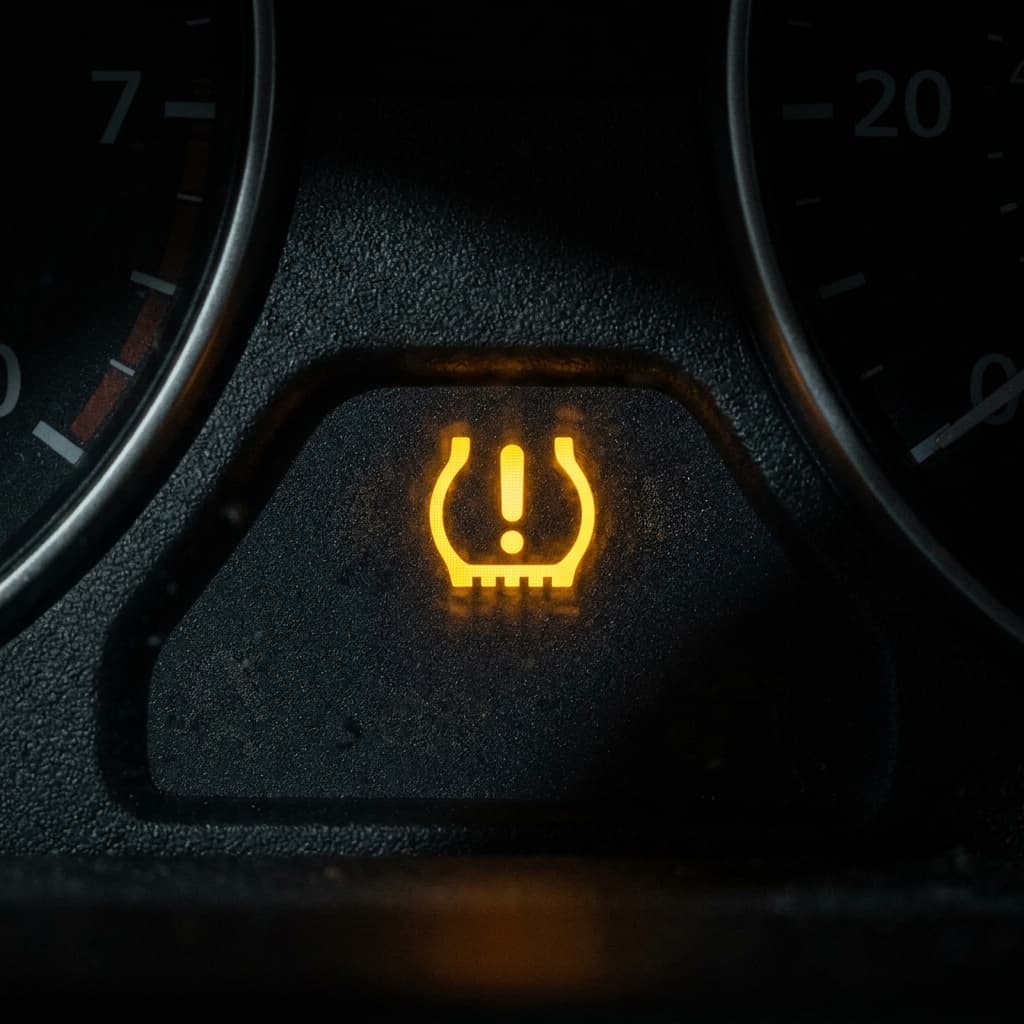
Indicates that one or more of your tires is significantly under-inflated.
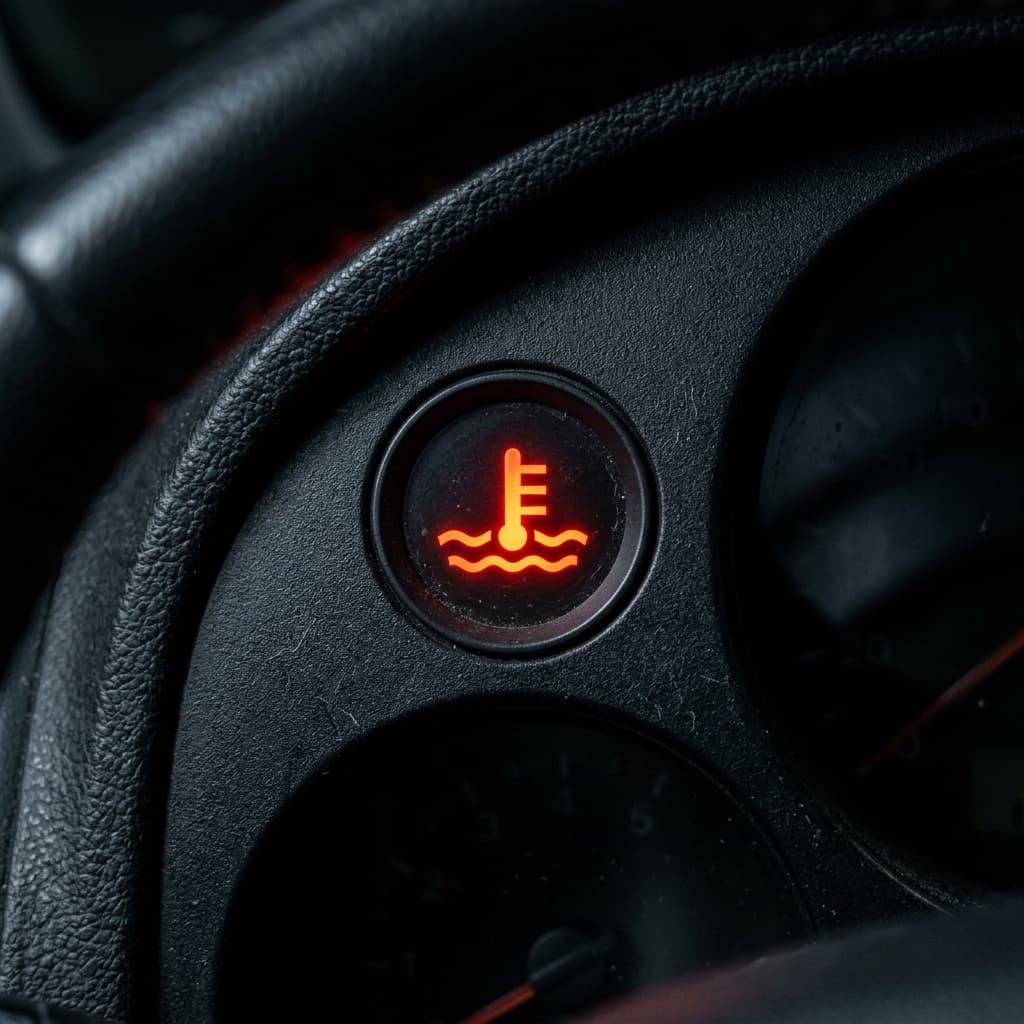
Indicates that the engine is overheating. Continuing to drive can cause severe permanent engine damage.
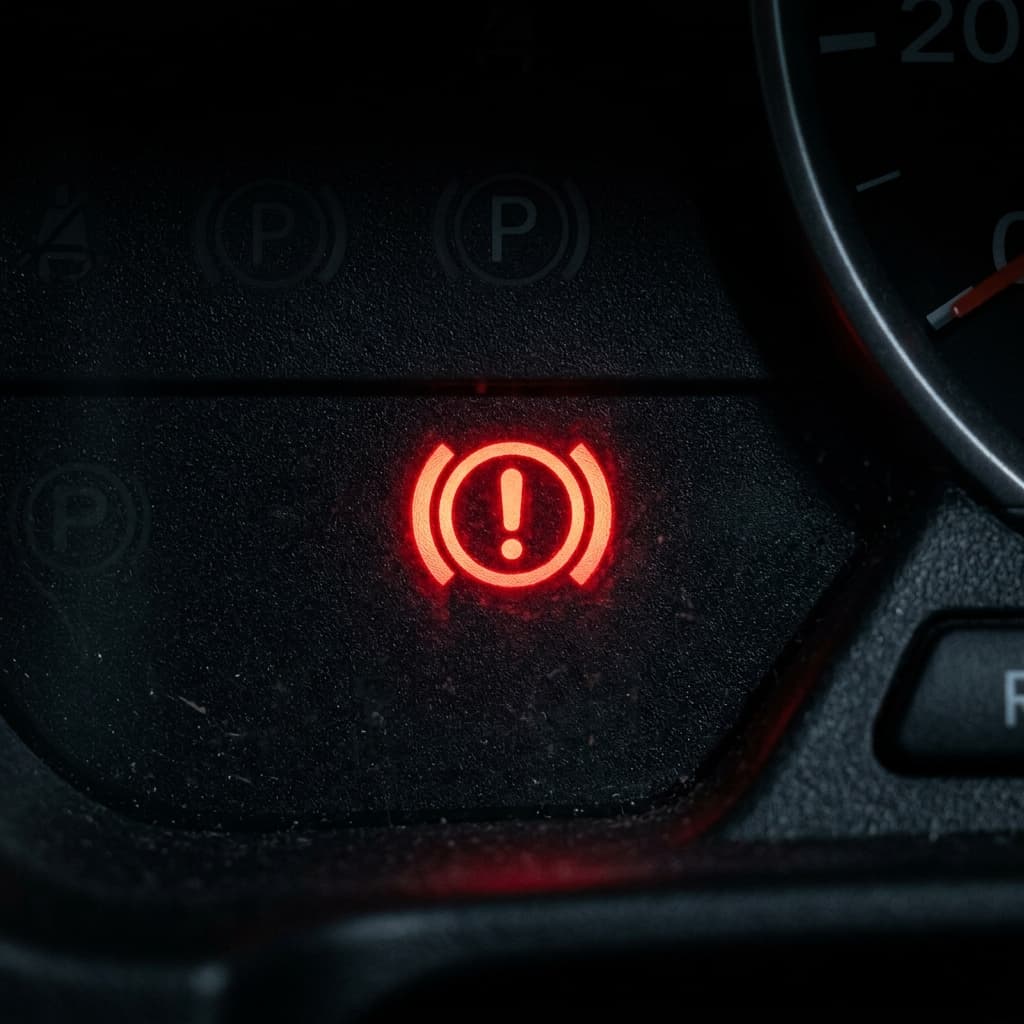
Indicates a serious issue with the braking system or that the parking brake is engaged.
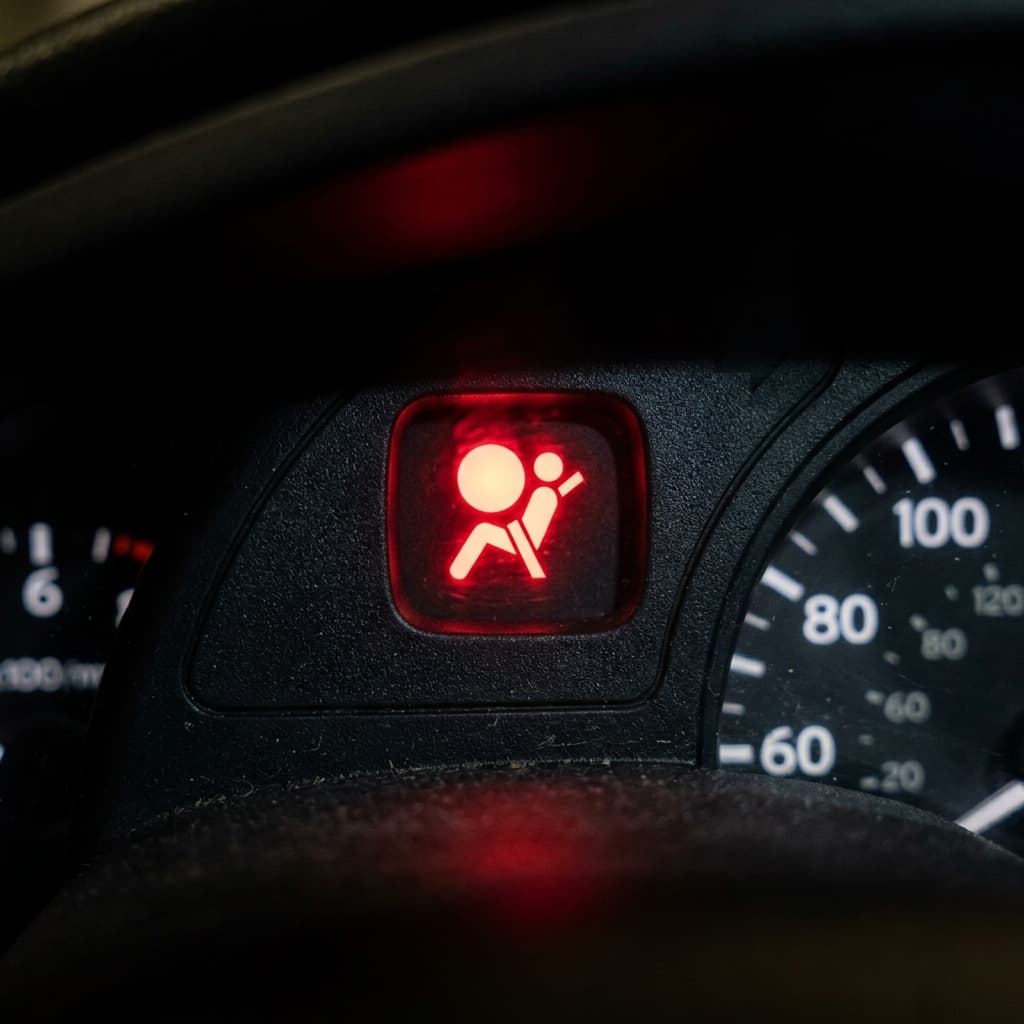
Indicates a malfunction in the Supplemental Restraint System (Airbags). The airbags will likely NOT deploy in an accident.
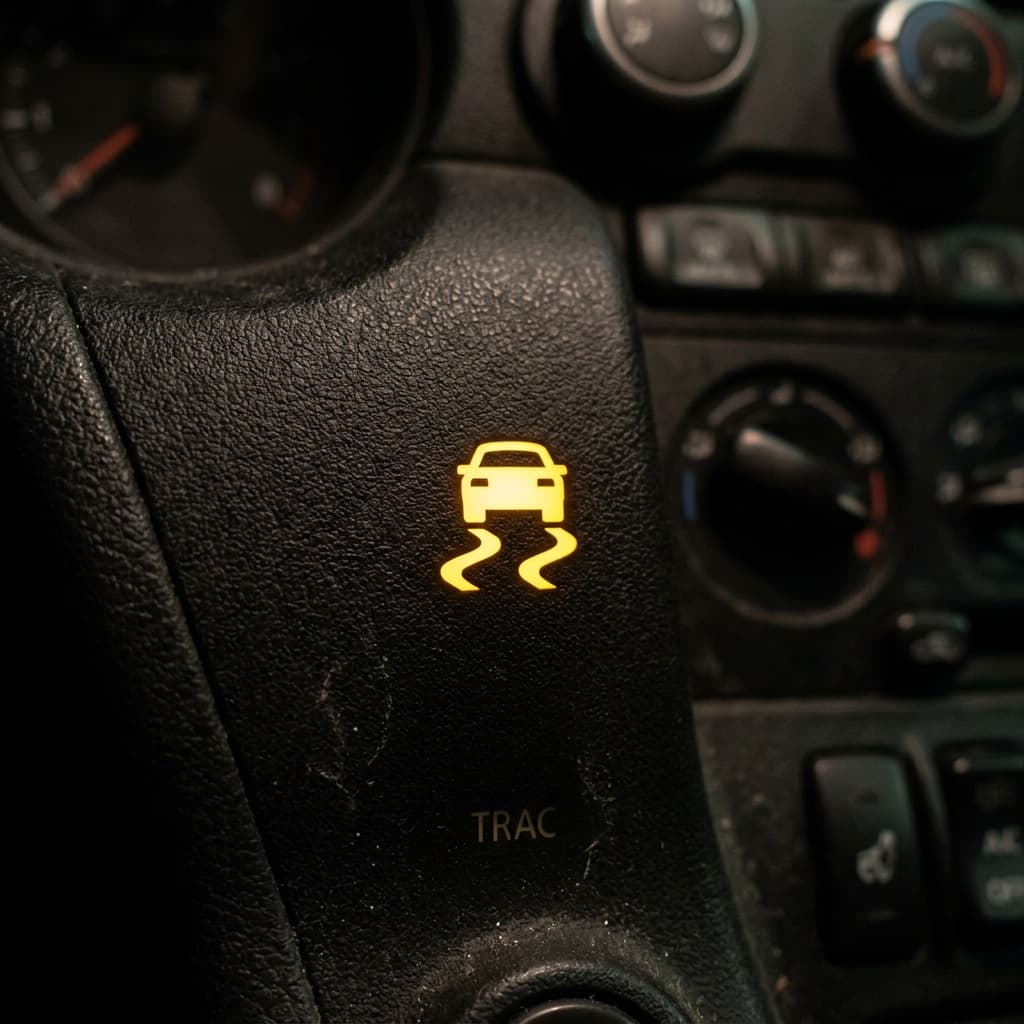
When flashing, it indicates the system is actively working to prevent wheel slip. If it stays on continuously, the system is disabled or faulty.