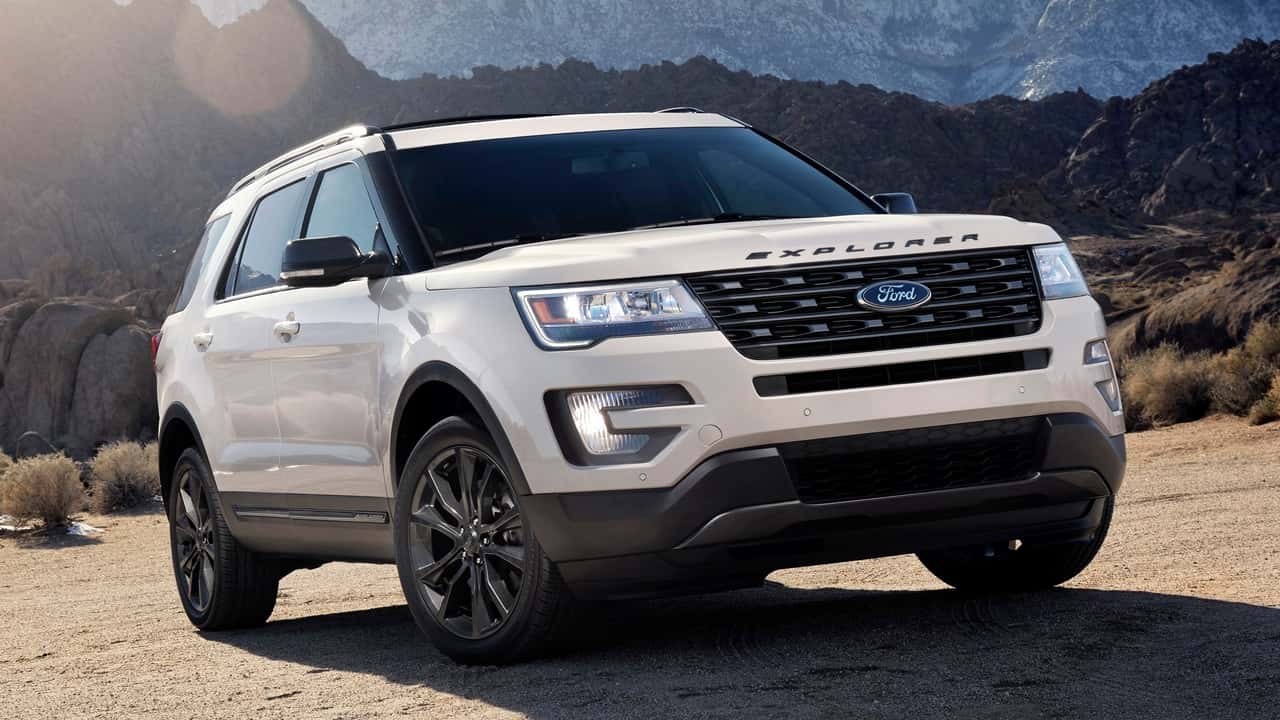
Ford's Troubling 57th Recall of the Year: Nearly 300,000 Explorers Hit by Loose Roof Rail Flaw – Again.
Article summary
The automotive industry is a relentless arena of innovation, but even the most iconic marques occasionally stumble. This week, Ford found itself in an unenviable spotlight once again, announcing its staggering 57th recall of the year. The subject? A significant 288,000 Explorer SUVs from model years 2016 through 2019, all facing a familiar and unsettling issue: loose roof rail covers that could potentially detach. For owners, this isn't just an inconvenience; it's a safety concern that casts a long shadow over one of America's most beloved family haulers.
The heart of the problem lies with the plastic roof rail covers, which, over time and exposure to the elements, can weaken and detach. Imagine cruising down the highway at speed, only for a piece of your vehicle to become an unexpected projectile. It's a terrifying scenario, not just for the occupants of the Explorer but for other road users. The National Highway Traffic Safety Administration (NHTSA) has highlighted the risk of road debris and injury, underscoring the severity of what might seem like a cosmetic flaw. What makes this recall particularly concerning, however, is the revelation that many of these affected Explorers have already been "repaired" for this very issue in a previous recall, suggesting a deeper, unresolved design or manufacturing deficiency.
Roof rails are more than just aesthetic additions; they are integral to an SUV's utility, enabling owners to carry everything from kayaks to luggage carriers, embodying the spirit of adventure that the Explorer has long represented. Their secure attachment is paramount. Typically, these rails are fastened with a combination of clips, screws, and sometimes adhesive, designed to withstand significant aerodynamic forces and vibrations. The repeated failure points to a potential systemic flaw – perhaps inadequate fastener design, material degradation, or improper installation procedures at the factory or during previous recall repairs. This isn't the first time the fifth-generation Explorer has faced scrutiny, having been subject to other recalls for issues ranging from suspension components to engine cooling.
For Ford, hitting 57 recalls within a single calendar year is more than just a statistic; it's a worrying trend that raises fundamental questions about quality control and engineering oversight. While recalls are a necessary part of ensuring vehicle safety, such a high volume can erode consumer confidence and significantly impact brand perception. The Explorer, a foundational pillar of Ford's SUV lineup since its debut in 1990, holds immense market importance. Each recall, especially those concerning fundamental safety or repeated failures, chips away at the trust built over decades, potentially influencing future purchasing decisions and impacting resale values in an increasingly competitive market.
Ford has confirmed that owners of the affected 2016-2019 Explorer SUVs will be notified by mail starting in September. The prescribed remedy involves an inspection of the roof rail covers and, if necessary, replacing them with new parts that incorporate improved retention clips and adhesive. For those who have already paid for repairs related to this specific issue, Ford will offer reimbursement. It's imperative for all owners to heed these notifications and schedule the necessary service, even if they believe their vehicle was previously fixed. The safety of themselves and others on the road depends on it.
This latest recall serves as a stark reminder of the immense challenges facing global automakers. Balancing aggressive production targets, cost efficiencies, and the ever-present demand for uncompromising quality is a tightrope walk. While Ford has undoubtedly invested heavily in engineering and safety, the sheer frequency of these recent issues suggests a need for introspection and potentially a re-evaluation of certain design and manufacturing processes. The Blue Oval has a long and proud history, and regaining unwavering consumer trust will require not just fixing individual problems, but demonstrating a renewed, steadfast commitment to robust, defect-free vehicles from the ground up.
OBD2HQ context
This article helps vehicle owners track changes that may affect maintenance cost, safety technology, service access and resale value. It is not a diagnostic procedure; if you have a warning light or symptom, open the matching OBD2 code, vehicle profile or car problem finder.