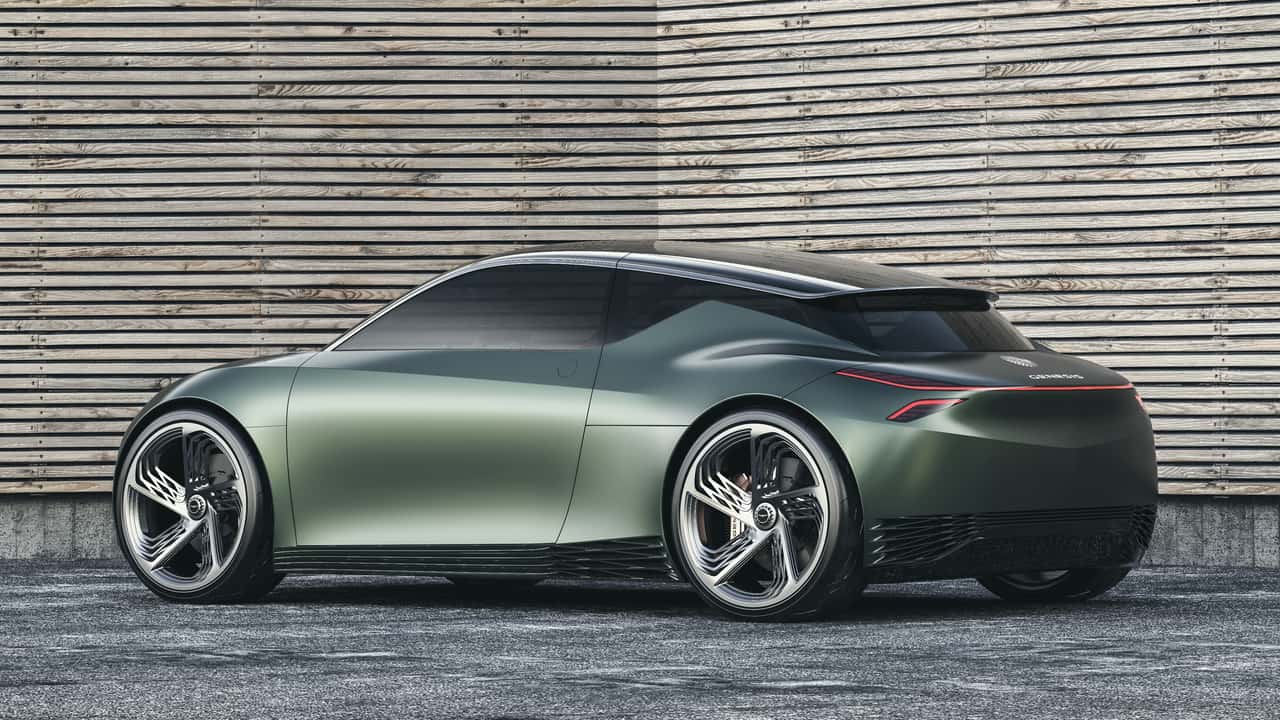
Genesis Eyes the Urban Jungle: A Strategic Play for a Smaller, Premium EV
Article summary
The automotive landscape is awash with grand electric statements – colossal SUVs, opulent sedans, and performance beasts that stretch the limits of both physics and parking spaces. Yet, amidst this electrification arms race, Genesis, the burgeoning luxury marque, has quietly dropped a compelling hint: there's indeed room for a smaller EV. This isn't a casual musing; it's a strategic declaration from a brand that has consistently demonstrated its intent to disrupt the established luxury order, not by following trends blindly, but by meticulously crafting its own path. Their philosophy, "not looking to enter a segment just for a quick win," speaks volumes about their commitment to design integrity, technological excellence, and a truly premium customer experience, even in a more compact package.
For years, the premium compact segment has been a challenging frontier for EVs. While early pioneers like the BMW i3 offered a unique proposition, its niche appeal and unconventional styling limited mainstream success. More recently, offerings like the Mini Cooper SE have found their stride in urban environments, but Genesis envisions something different: a truly luxurious, design-forward compact EV that doesn't compromise on the brand's core tenets of "Athletic Elegance" and sophisticated technology. Imagine the sleek lines and intricate detailing of a G80 or GV60, distilled into a form factor perfectly suited for navigating congested cityscapes and tight parking spots, all while exuding an undeniable sense of occasion. This is where Genesis sees an untapped vein, catering to affluent urbanites seeking sustainability without sacrificing style or substance.
The potential for such a vehicle to leverage Hyundai Motor Group's highly versatile E-GMP (Electric Global Modular Platform) is immense, though adapting it for a genuinely compact footprint presents its own engineering challenges and opportunities. A smaller form factor would necessitate innovative battery packaging, optimizing energy density for urban range requirements without encroaching on vital cabin space or compromising Genesis's renowned ride comfort. Furthermore, the interior would need to maintain the brand's signature minimalist yet opulent aesthetic, integrating advanced infotainment and driver-assistance systems seamlessly. The Mint Concept, unveiled back in 2019, offers a tantalizing glimpse into how Genesis might approach this, showcasing a two-seat, city-focused EV with dramatic proportions and an unconventional rear cargo access – a bold statement of intent that perfectly encapsulates their willingness to push boundaries.
Genesis's insistence on "no quick win" underscores a deeper brand strategy. Unlike some competitors who might rush a derivative EV to market to meet emissions targets or simply fill a perceived gap, Genesis is playing the long game. This approach means investing significant resources into research, design, and engineering to ensure that any compact EV they bring to market isn't just another electric car, but a definitive Genesis. It must embody the brand's unique blend of performance, luxury, and groundbreaking design, offering a truly differentiated value proposition. This meticulous development process is crucial for a relatively young luxury brand seeking to solidify its credibility and establish a lasting legacy in a fiercely competitive landscape.
The market implications are substantial. A successful premium compact EV from Genesis could redefine urban luxury mobility, attracting a younger, more design-conscious demographic who value both environmental responsibility and high-end aesthetics. It would directly challenge established players who have yet to fully crack this specific niche with a truly aspirational product. Furthermore, such a vehicle would broaden Genesis's global appeal, particularly in dense European and Asian cities where larger vehicles are often impractical. It's a bold move that could not only expand their market share but also subtly shift perceptions, proving that luxury and compact dimensions are not mutually exclusive when executed with Genesis's characteristic flair.
Ultimately, Genesis's contemplation of a smaller EV is more than just a product strategy; it’s a statement about the evolving definition of luxury in the electric age. It's about recognizing that true luxury isn't always about outright size or raw power, but about thoughtful design, exquisite craftsmanship, and a seamless integration into one's lifestyle. By carefully considering this segment, Genesis is positioning itself not just as a participant in the EV revolution, but as a potential leader in shaping its future, promising a compact electric future that is as compelling as it is sustainable.
OBD2HQ context
This article helps vehicle owners track changes that may affect maintenance cost, safety technology, service access and resale value. It is not a diagnostic procedure; if you have a warning light or symptom, open the matching OBD2 code, vehicle profile or car problem finder.