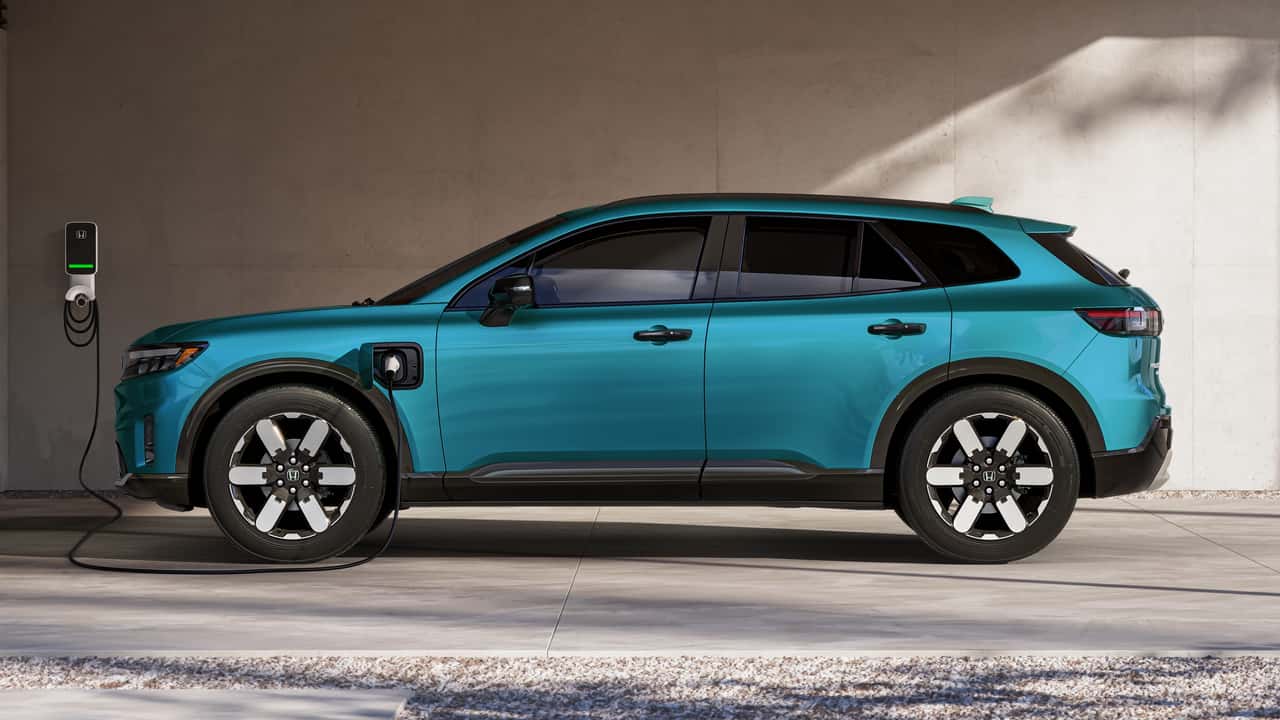
The Electric Dream Deferred: Honda Axes Prologue, Pivots to Hybrids in the US
Article summary
The automotive world often moves at a blistering pace, but sometimes, even the most ambitious plans hit a sudden, unexpected roadblock. Such is the case with Honda, an automaker long revered for its engineering prowess and pragmatic approach. News has just broken that the Honda Prologue, their much-anticipated all-electric SUV, is being pulled from the US market. This isn't just another model discontinuation; it leaves Honda, for the moment, without a single production electric vehicle in its American lineup. It's a stark reminder that the road to an all-electric future is fraught with more twists and turns than anticipated, even for giants like Honda.
The Prologue was, in many ways, Honda's immediate answer to the burgeoning EV segment in North America. Born from a strategic partnership with General Motors, it utilized GM's Ultium platform and battery technology, a move intended to accelerate Honda's entry into the electric space without the monumental R&D investment required for a ground-up platform. It was envisioned as a practical, spacious SUV, leveraging Honda's reputation for reliability and packaging, but clothed in an electric powertrain. The idea was sound: piggyback on established EV tech while Honda developed its own next-generation solutions. Its abrupt departure raises questions about the efficacy of such partnerships and the challenges of integrating disparate corporate philosophies.
So, why the sudden about-face? The reasons are multifaceted, reflecting broader shifts in the automotive landscape. While the initial wave of EV enthusiasm was undeniable, the market has begun to cool, particularly in the US. Consumers are grappling with range anxiety, the nascent charging infrastructure, and often, the higher upfront cost of EVs compared to their internal combustion counterparts. For Honda, a brand synonymous with value and practicality, the Prologue's positioning and anticipated sales figures likely didn't align with their stringent business case. This strategic recalibration underscores a growing industry trend: a recognition that the transition to EVs will be slower and more complex than initially forecast, prompting manufacturers to reassess their timelines and investments.
In light of the Prologue's withdrawal, Honda's immediate pivot back to hybrids isn't merely a fallback plan; it's a strategic re-embrace of a technology they've mastered for decades. Honda was an early pioneer in hybrid powertrains, introducing the original Insight at the turn of the millennium, long before "electrification" became a buzzword. Models like the CR-V Hybrid, Accord Hybrid, and Civic Hybrid have consistently delivered impressive fuel economy and lower emissions without demanding a fundamental shift in consumer habits or infrastructure. Hybrids offer a compelling blend of efficiency, range, and convenience, serving as a vital bridge technology that satisfies immediate environmental goals while providing consumers with a familiar, reliable driving experience.
From a technical standpoint, the hybrid strategy makes immense sense in the current climate. Modern hybrid systems, especially Honda's advanced two-motor e:HEV architecture, offer seamless transitions between electric and gasoline power, often delivering EV-like refinement at lower speeds and exceptional highway efficiency. They negate range anxiety and charging dependency, which remain significant hurdles for many potential EV buyers. While Honda remains committed to a fully electric future – with plans for proprietary e:N architecture EVs in other global markets and a dedicated EV platform for North America by the latter half of the decade – the emphasis on hybrids allows them to meet emissions targets, cater to current market demands, and continue to innovate in electrification without overextending prematurely into a volatile full-EV market.
This move by Honda isn't an isolated incident; it mirrors a broader industry re-evaluation. Ford has scaled back its EV investments, and even Tesla faces increased competition and slowing growth. The initial gold rush mentality surrounding EVs is giving way to a more pragmatic, measured approach. For Honda, a company built on engineering excellence and a deep understanding of consumer needs, this pivot signals adaptability rather than retreat. It's a testament to their ability to read the market, adjust course, and continue delivering sustainable mobility solutions that resonate with their loyal customer base, ensuring they remain a formidable player, even as the automotive landscape continues its dramatic evolution.
OBD2HQ context
This article helps vehicle owners track changes that may affect maintenance cost, safety technology, service access and resale value. It is not a diagnostic procedure; if you have a warning light or symptom, open the matching OBD2 code, vehicle profile or car problem finder.