Article summary
The digital realm, ever a hotbed of automotive leaks and speculation, has once again delivered a tantalizing glimpse into the future of American muscle. A video, rapidly making the rounds across social media platforms, appears to showcase two distinct Dodge Charger prototypes, sending enthusiasts and journalists alike into a frenzy. For a brand synonymous with raw horsepower and unapologetic performance, the transition to an electrified era has been fraught with anticipation and skepticism. Could these camouflaged beasts, caught in what seems to be a clandestine test, be our first unfiltered look at the spiritual successor to the Hellcat, reborn as the next-generation Charger SRT? The stakes, and the horsepower, have never been higher.
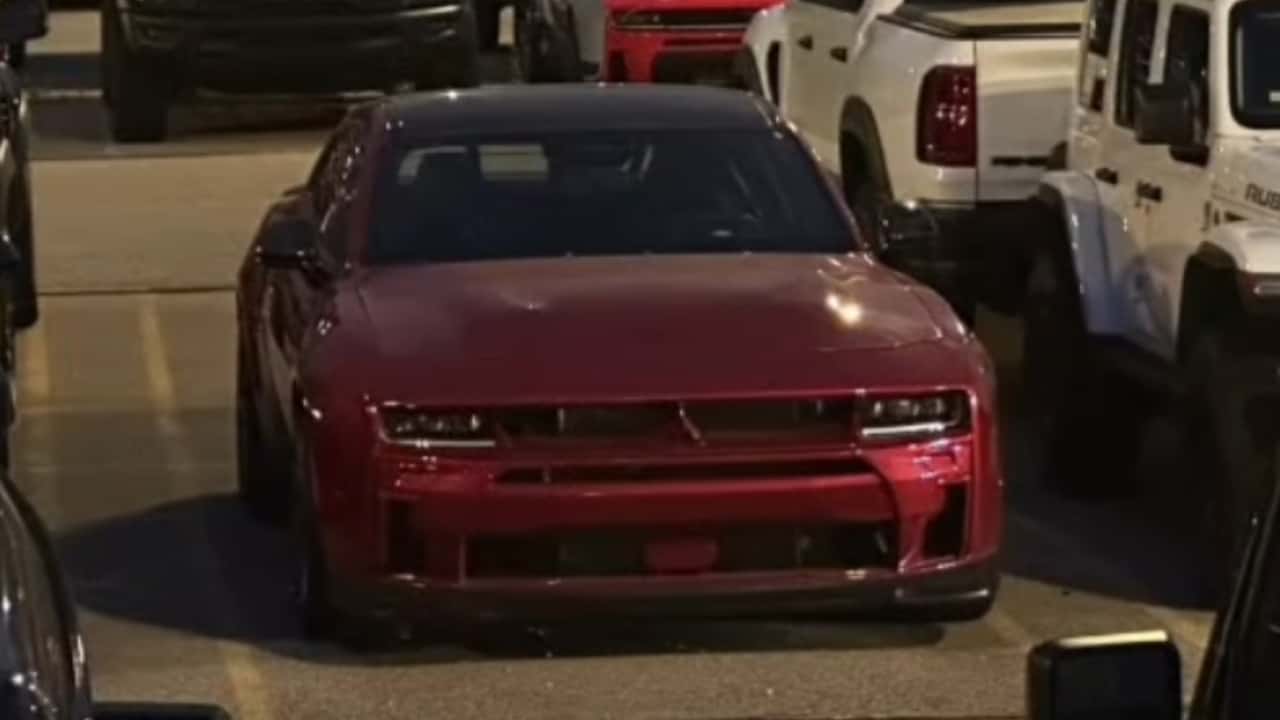
What immediately jumps out from the grainy footage and accompanying stills – notably the one captured here – is an undeniable sense of aggression and purpose. Both vehicles exhibit significantly wider fenders than any current production Charger, hinting at a broader track and a more planted stance. The front fascia, though partially obscured, suggests a departure from the current design, likely incorporating elements from the Charger Daytona SRT Concept with its prominent R-Wing and distinctive lighting signature. The overall silhouette retains the iconic fastback profile, a nod to Charger heritage, but with a modern, almost futuristic interpretation. One variant appears slightly more restrained, perhaps a base or R/T model, while the other boasts an even more muscular presence, almost certainly earmarked for the high-performance SRT badge.
Beneath that sculpted sheet metal, the speculation truly begins. Given Dodge's clear commitment to an electric future for its muscle cars, it's highly probable these prototypes ride on the Stellantis STLA Large platform, designed to accommodate powerful electric powertrains. We're talking 800-volt architecture, promising rapid charging and staggering performance figures. Imagine a production version pushing upwards of 670 horsepower, potentially even breaching the four-figure mark in a top-tier Banshee variant, aiming to not just match but obliterate the benchmarks set by its supercharged predecessors. However, whispers also persist about a potential internal combustion option, perhaps utilizing the potent Hurricane twin-turbo inline-six for a transitionary period or as a more accessible entry point, a move that would undoubtedly appease a significant portion of the purist fanbase.
Dodge has a formidable challenge: to electrify its muscle without diluting its essence. The design language seen here, while modern, seems to strike a delicate balance. It respects the Charger's long lineage – from the iconic second-generation models to the modern four-door sedan – while boldly stepping into the future. The distinctive "fratzog" logo, resurrected for the electric era, is expected to adorn these new models, symbolizing a commitment to performance and innovation. The aggressive front end, the wide body, and the potential for a disruptive aerodynamic package (like the R-Wing) are all carefully crafted to ensure that even without the roar of a V8, the new Charger commands attention and respect. It's about translating visceral feel into an electric experience.
The market implications of this new Charger are immense. It enters a landscape where traditional muscle cars are facing increasing pressure from both emissions regulations and a burgeoning segment of high-performance EVs. Competitors like the Ford Mustang Mach-E GT and upcoming electric performance vehicles from other manufacturers are already carving out their niches. Dodge, however, isn't just joining the race; it's aiming to redefine it. This new Charger isn't merely an electric car; it's an electric *muscle car*, tasked with carrying the torch of American performance into a new age. Its success will depend not only on raw numbers but on its ability to evoke the same emotional response that generations of Chargers have.
As the automotive world holds its breath, these fleeting glimpses serve as a powerful testament to Dodge's audacious vision. The transition from internal combustion to electrification for such an iconic nameplate is a tightrope walk, but if these prototypes are any indication, Dodge is stepping with confidence. The question is no longer *if* the Charger will be electric, but *how* powerfully it will redefine electric performance. We eagerly await the official unveiling, ready to witness the next chapter in the storied legacy of the Dodge Charger – a chapter that promises to be electrifying in every sense of the word.
OBD2HQ context
This article helps vehicle owners track changes that may affect maintenance cost, safety technology, service access and resale value. It is not a diagnostic procedure; if you have a warning light or symptom, open the matching OBD2 code, vehicle profile or car problem finder.