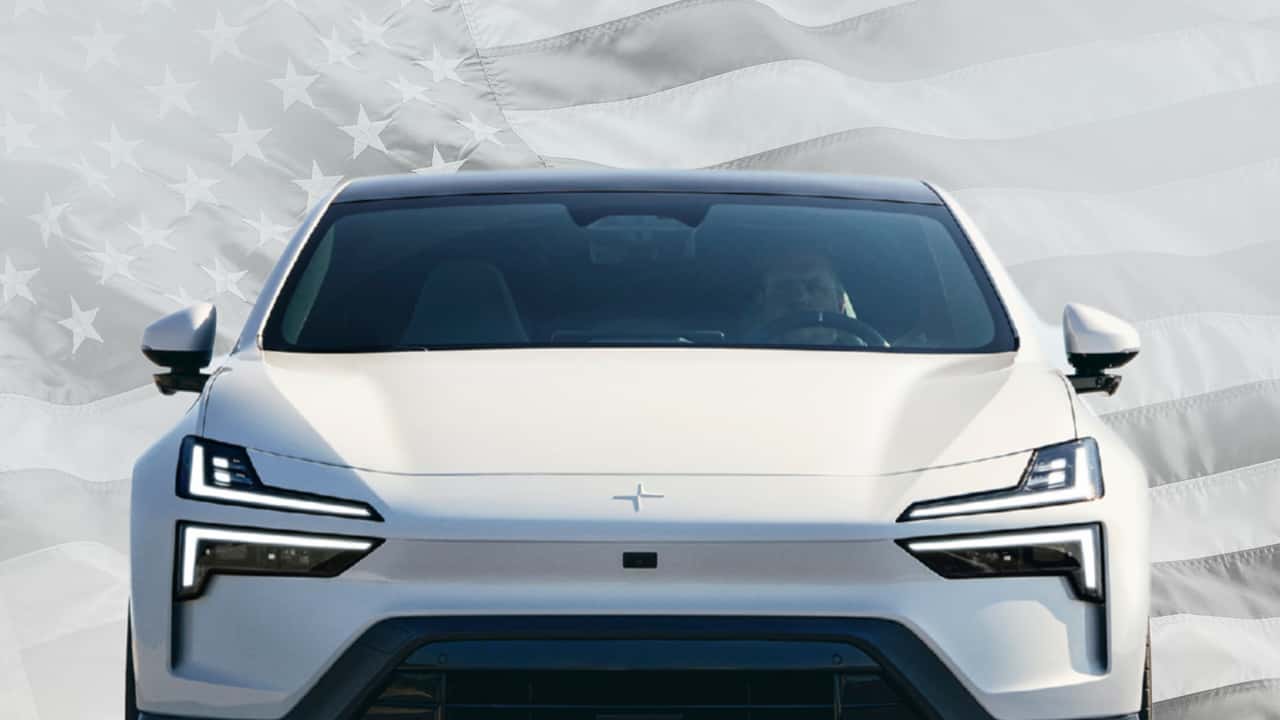
Polestar's American Ambitions Grounded: Automaker Declines to Fight US Sales Ban
Article summary
The electric vehicle landscape in the United States has just witnessed a seismic shift, as Polestar, the performance-oriented electric offshoot of Volvo, has confirmed it will not challenge a federal ban on its future vehicle sales. This stunning declaration effectively draws a definitive line under the brand's American aspirations, marking a premature end to its ambitious journey in one of the world's most lucrative and competitive automotive markets. For a brand that has meticulously crafted an image of minimalist Scandinavian design blended with potent electric performance, this retreat from the US market is not merely a setback; it's a strategic withdrawal with profound implications.
While the specifics of the "federal ban" remain shrouded in official ambiguity, the automotive industry has been bracing for increased protectionist measures, particularly concerning vehicles with significant manufacturing ties to certain regions. This decision by Polestar points towards an insurmountable regulatory hurdle, likely stemming from tariffs, trade disputes, or specific compliance issues that make market entry economically unviable or legally impossible. It echoes historical precedents, such as the infamous "Chicken Tax" of the 1960s, which dramatically impacted light truck imports, illustrating how geopolitical currents frequently dictate the flow of global commerce, even for cutting-edge electric vehicles. For Polestar, a brand born from a global supply chain, navigating these increasingly complex international waters has proven treacherous.
The irony here is palpable. Polestar has been actively and aggressively diversifying its manufacturing footprint precisely to mitigate such risks. The upcoming Polestar 3 SUV, a critical volume model, is slated for production at Volvo's Ridgeville, South Carolina plant – a move intended to qualify it for US tax credits and insulate it from foreign import duties. Similarly, the Polestar 4 is set to be built in South Korea. These strategic shifts were clear signals of Polestar's commitment to the American market and its understanding of the evolving trade landscape. Yet, this recent announcement renders those forward-thinking production plans essentially moot for US consumption, at least for the foreseeable future. It's a stark reminder that even the most meticulously planned global strategies can be derailed by geopolitical realities.
The departure of Polestar from the US market leaves a significant void, particularly in the burgeoning premium EV segment. Competitors like Tesla, Lucid, Rivian, and the electrified divisions of traditional luxury brands such as Mercedes-Benz EQ, BMW i, and Audi e-tron will undoubtedly benefit from one less formidable player vying for market share. Polestar's unique blend of performance, minimalist design, and Volvo's safety heritage offered a distinct alternative, appealing to a demographic seeking something beyond the mainstream. Its absence will be felt by consumers and investors alike, potentially impacting the brand's global valuation and forcing a re-evaluation of its expansion priorities towards more receptive markets in Europe and Asia.
With the American door seemingly closed, Polestar's focus will inevitably sharpen on its European and Asian strongholds. The brand has demonstrated a commendable ability to innovate, from its sleek Polestar 2 fastback to the upcoming Polestar 3 and 4 SUVs, and the breathtaking Polestar 5 GT. The question now becomes how Polestar will leverage these models and its distinct brand identity to accelerate growth in other regions, potentially even strengthening its position elsewhere without the resource drain of a protracted legal battle in the US. While a re-entry into the US market isn't entirely impossible in the distant future, perhaps under different regulatory frameworks or political climates, for now, American enthusiasts will have to admire Polestar from afar, pondering what might have been.
This isn't just a story about Polestar; it's a potent bellwether for the increasingly complex and fragmented global automotive industry. In an era where supply chains are scrutinized, and national interests often supersede free trade ideals, Polestar's forced retreat from the US serves as a stark warning to other international automakers eyeing lucrative markets. It underscores the profound challenges of building a truly global automotive brand in the 21st century, where innovation and engineering prowess alone are no longer enough to guarantee success against the formidable currents of geopolitics and protectionism. The roar of Polestar's electric motors will, for now, remain unheard on American shores.
OBD2HQ context
This article helps vehicle owners track changes that may affect maintenance cost, safety technology, service access and resale value. It is not a diagnostic procedure; if you have a warning light or symptom, open the matching OBD2 code, vehicle profile or car problem finder.