Digital Dominance: Unpacking the Web Traffic Kings of the Automotive World
Article summary
The automotive landscape has fundamentally shifted, transforming from a world dominated by glossy magazine spreads and dealership showroom glitz to one where the initial spark of interest, the deep dive into specifications, and even the preliminary configuration of a dream car all happen online. In this fiercely contested digital arena, recent insights have unveiled a fascinating truth: two particular automotive giants are not just leading, but absolutely dominating the web traffic charts, drawing millions more visitors to their digital storefronts than any other competitor. This isn't merely about vanity metrics; it's a profound indicator of brand health, market relevance, and an automaker's ability to connect with potential buyers long before they ever step foot on a lot.
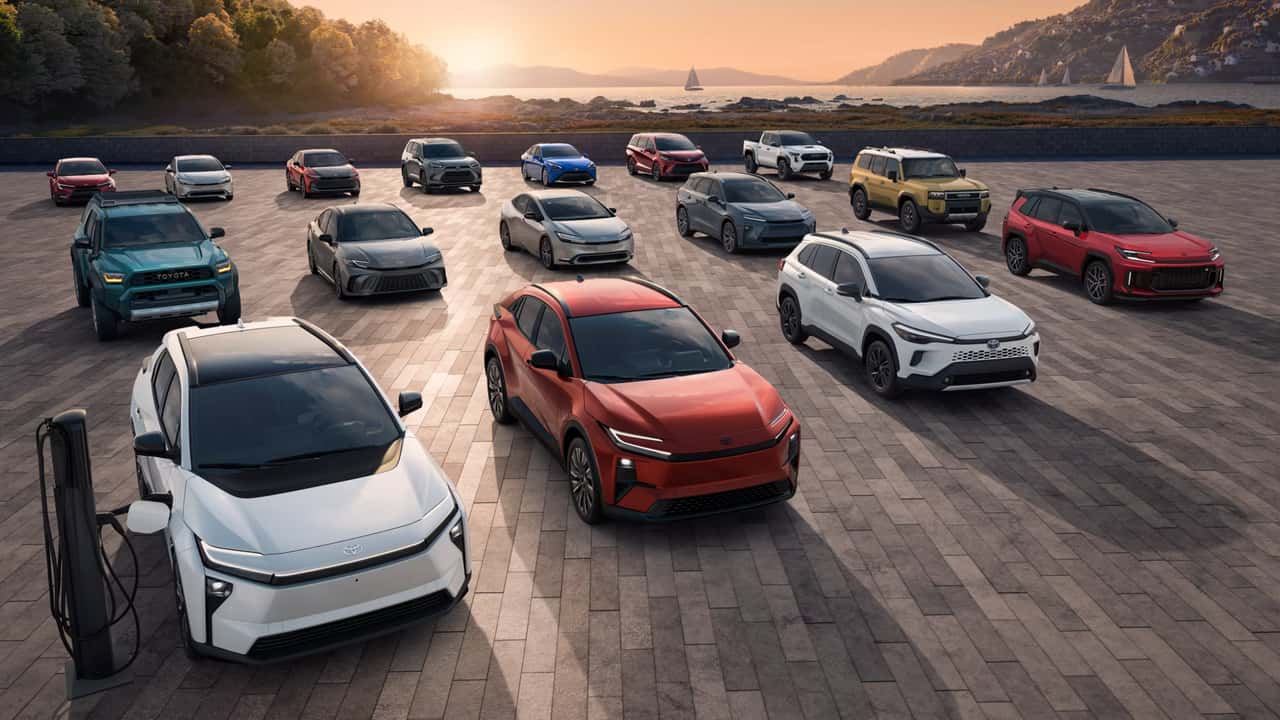
So, who are these digital titans? While the names might not surprise those familiar with global sales charts, their sheer magnitude of online presence is truly remarkable. Toyota, a perennial powerhouse in reliability and sales, stands out as a colossal magnet for web users. Its expansive product portfolio, ranging from economical commuters to rugged SUVs and innovative hybrids, ensures a broad appeal. But it's more than just product; it's the consistent brand messaging, the intuitive website design, and a digital ecosystem that caters to research, configuration, and even after-sales support that truly sets them apart. This overwhelming digital footfall translates directly into a massive pipeline of potential customers, illustrating the critical link between online engagement and real-world sales.
The implications of such digital dominance extend far beyond simple page views. Each visit represents a potential customer exploring models, comparing features, requesting quotes, or even just dreaming. Automakers like Toyota have invested heavily in sophisticated SEO strategies, targeted digital advertising campaigns, and user-friendly online tools like advanced configurators and virtual showrooms that provide an immersive experience from the comfort of one's home. This proactive digital approach not only captures a wider audience but also nurtures leads more effectively, guiding users through the sales funnel with personalized content and seamless transitions from online interest to dealership visit. It's a masterclass in modern marketing, leveraging technology to build brand loyalty and drive conversion rates in an increasingly competitive marketplace.
While the leaders bask in their digital glory, the rest of the industry faces an uphill battle to capture similar mindshare. Many premium brands, despite their aspirational appeal, often cater to a more niche audience, resulting in lower, albeit highly qualified, web traffic. Other mass-market players might struggle with brand recognition outside their core markets or simply lack the sheer marketing budget and global infrastructure of the top-tier players. The challenge lies in creating a compelling digital narrative that resonates across diverse demographics and geographical boundaries, a task that requires continuous innovation, data-driven insights, and a willingness to adapt to rapidly evolving online consumer behaviors.
Historically, the automotive industry relied heavily on traditional media – television commercials, print advertisements, and direct mail. The shift towards digital has been a gradual but relentless march, accelerated by the smartphone revolution and the COVID-19 pandemic, which forced many aspects of car buying online. Looking ahead, the digital arms race will only intensify. We can anticipate even more sophisticated AI-powered personalization, immersive virtual reality experiences for exploring new models, and seamless integration with smart home ecosystems. Automakers that fail to prioritize and continually innovate their digital presence risk being left in the dust, their physical showrooms increasingly empty as the world moves its automotive aspirations online.
Ultimately, these web traffic figures serve as a powerful barometer of an automaker's contemporary relevance and future prospects. They underscore the undeniable truth that in today's connected world, a strong digital footprint is as crucial as a robust engine or a striking design. For the brands leading the charge, it’s a clear validation of their foresight and investment in the digital realm. For those trailing, it’s a stark reminder that the battle for market share is now being fought, and often won, on the screens of our devices, millions of clicks at a time.
OBD2HQ context
This article helps vehicle owners track changes that may affect maintenance cost, safety technology, service access and resale value. It is not a diagnostic procedure; if you have a warning light or symptom, open the matching OBD2 code, vehicle profile or car problem finder.