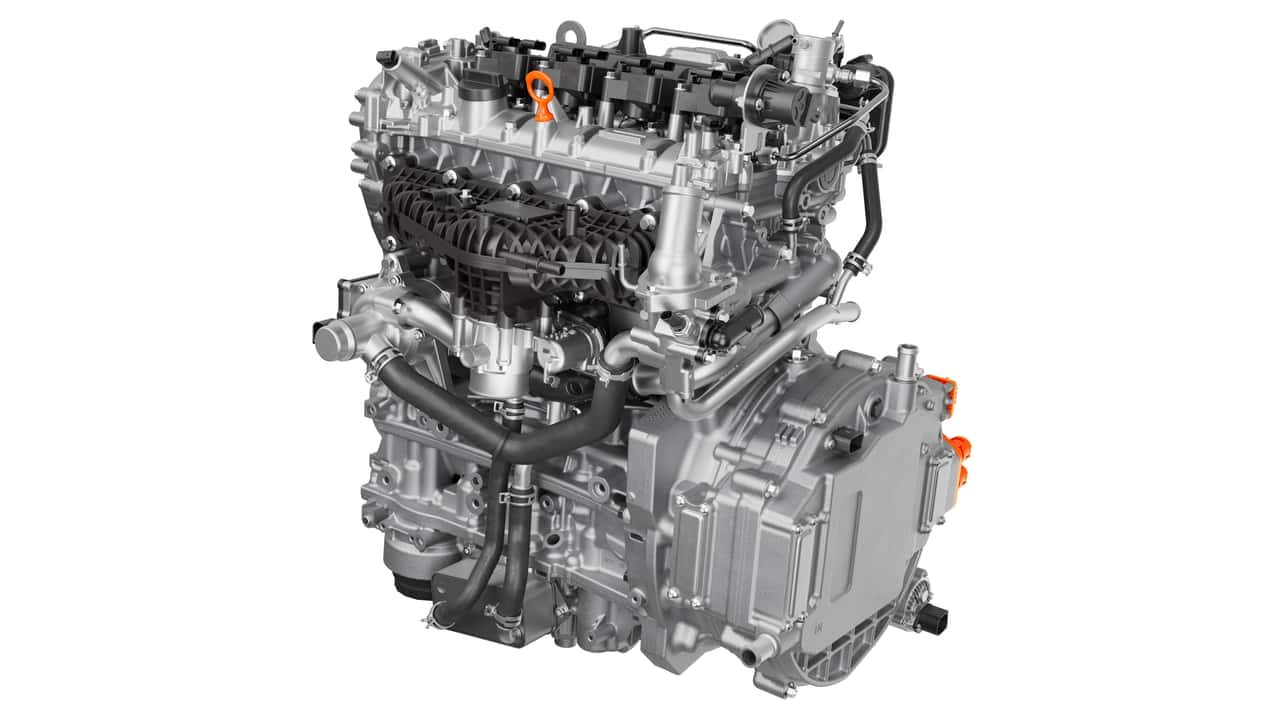
Methanol's Moment: Horse Powertrains Unveils Revolutionary D20 Range Extender for EVs
Article summary
Range anxiety." Two words that have haunted the dreams of many an early electric vehicle adopter, and indeed, still give pause to potential converts. While battery technology rapidly advances, the specter of a depleted pack far from a charger remains a significant hurdle for widespread EV adoption, especially in regions with nascent charging infrastructure. But what if there was a compact, elegant solution that offered the best of both worlds – the clean drive of an EV with the flexible refuelling of a liquid fuel? Enter Horse Powertrains, a name now buzzing through the automotive world, poised to potentially redefine the range extender with their revolutionary D20 Methanol engine. This isn't just another small ICE; it's a meticulously engineered power unit designed from the ground up to supercharge an EV's battery, promising a future where long journeys are no longer a cause for concern.
At the heart of Horse Powertrains' innovation lies the D20, a marvel of compact engineering that leverages cutting-edge axial-flux motor technology. Unlike traditional radial-flux motors, axial-flux designs boast an incredibly high power density, meaning they can generate substantial power from a much smaller, lighter package. Imagine a disc-shaped motor where the magnetic flux runs parallel to the axis of rotation, allowing for a more efficient use of space and materials. In the D20, this sophisticated generator is coupled with a highly optimized methanol combustion engine. The engine burns methanol, driving the axial-flux generator, which then seamlessly converts mechanical energy into electrical current. This current is then fed directly into the EV's battery pack, effectively turning liquid methanol into 'liquid electricity' on demand, extending the vehicle's range without the need for cumbersome, heavy battery additions.
The choice of methanol as a fuel source is not arbitrary; it's a strategic stroke of genius with significant environmental and practical advantages. Often referred to as "wood alcohol," methanol is a clean-burning liquid fuel that produces significantly fewer NOx and particulate emissions compared to gasoline or diesel. Its production can be incredibly diverse – from natural gas and coal to renewable biomass and even captured CO2, positioning it as a vital component in a potential circular carbon economy. This versatility means it can be sourced sustainably, offering a viable pathway away from fossil dependence. Furthermore, methanol has a high octane rating, making it suitable for high-efficiency engines, and its liquid state allows for easy storage and refuelling, leveraging existing liquid fuel infrastructure with minimal modifications, unlike the complex storage challenges of hydrogen.
The market implications of the D20 are profound, particularly for segments where range and payload are critical. Think commercial delivery vans, heavy-duty trucks, or even luxury long-distance EVs. For fleet operators, the D20 could mean less downtime for charging and increased operational flexibility, translating directly into economic benefits. For consumers, it could alleviate range anxiety, enabling smaller, lighter, and more affordable EV battery packs, thereby lowering the initial purchase cost and overall vehicle weight. This innovative approach offers a compelling alternative to hydrogen fuel cells, which, despite their zero-tailpipe emissions, still face significant hurdles in production, storage, and distribution infrastructure. The D20 provides a pragmatic, robust bridge solution, accelerating the transition to electrification by making EVs more accessible and practical for a broader audience.
Methanol itself is no stranger to high-performance applications; its use in IndyCar racing for decades speaks volumes about its safety and performance characteristics. Historically, attempts to introduce alternative fuels into the mainstream have often stumbled over infrastructure or public acceptance. However, the D20 arrives at a pivotal moment, with a global push towards decarbonization and a growing demand for sustainable mobility solutions. While challenges remain, primarily around widespread methanol fuel availability at the retail level and evolving regulatory frameworks, Horse Powertrains' compact and efficient design could be the catalyst needed. It represents a bold step towards a multi-faceted energy future for mobility, acknowledging that a single solution may not fit all needs, and that intelligent hybridization can pave the way for a fully electric tomorrow.
In an automotive landscape increasingly dominated by the electric imperative, Horse Powertrains' D20 Methanol engine stands as a testament to ingenuity and adaptive thinking. It’s a powerful statement that the path to a sustainable future isn't a single, narrow road, but a diverse network of intelligent solutions. By combining the efficiency of axial-flux generation with the clean-burning properties and versatile sourcing of methanol, the D20 offers a compelling vision for extended-range electric vehicles. This isn't just a boost; it's a potential revolution, enabling EVs to truly conquer the final frontiers of range and practicality, ushering in an era where going electric means going anywhere, anytime, with confidence.
OBD2HQ context
This article helps vehicle owners track changes that may affect maintenance cost, safety technology, service access and resale value. It is not a diagnostic procedure; if you have a warning light or symptom, open the matching OBD2 code, vehicle profile or car problem finder.