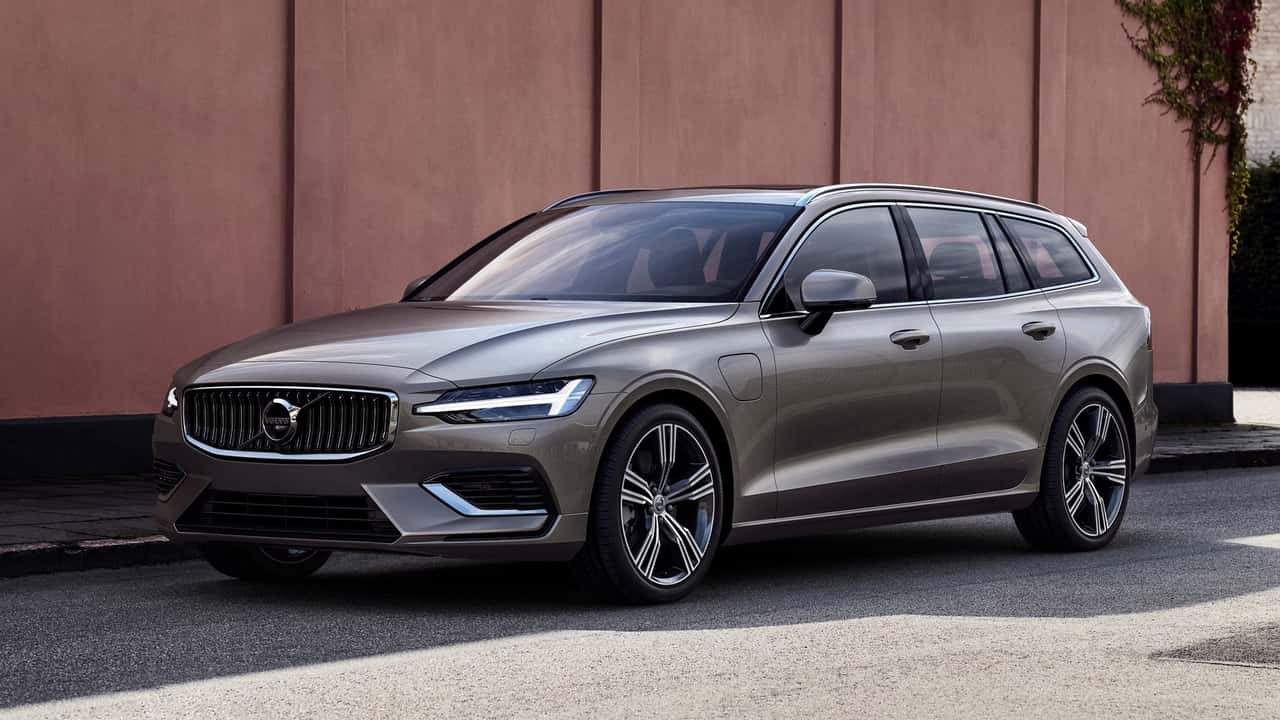
The Return of the King? Volvo Rumored to Re-Embrace Sedans and Wagons Amidst SUV Fatigue
Article summary
For over a decade, the automotive landscape has been relentlessly reshaped by the SUV. From compact crossovers to gargantuan seven-seaters, these high-riding vehicles have become the default choice for millions, and Volvo, a brand synonymous with safety and practicality, embraced this shift with remarkable success. The XC-lineup—XC90, XC60, and XC40—catapulted the Swedish marque into a new era of premium market dominance, seemingly sealing the fate of traditional sedans and wagons within its portfolio. Yet, a fascinating whisper is now rippling through the industry: a report suggests Volvo is eyeing a potential return to its iconic low-slung body styles. Could it be that even the mighty SUV's reign is showing cracks, and consumers are yearning for something different?
Indeed, the SUV's rise was meteoric and, for a time, seemingly unstoppable. Their perceived advantages—a commanding driving position, easier ingress/egress, increased cargo volume, and a sense of robust security—resonated deeply with a broad swathe of buyers. Volvo’s strategic pivot to an SUV-heavy lineup was a masterstroke, allowing them to compete fiercely in a burgeoning segment while maintaining their core values. The success was undeniable, with the XC models consistently ranking among the brand's best-sellers globally, ensuring Volvo's financial health and global expansion. It felt like an irreversible trend, a new normal where the sedan and wagon were relegated to niche status or, worse, obsolescence.
However, even the most dominant trends eventually face scrutiny and, ultimately, fatigue. The market is becoming saturated with SUVs, leading to a certain aesthetic monotony. More critically, consumers are beginning to weigh the practical compromises: the often-inferior driving dynamics compared to a lower-slung car, diminished fuel efficiency due to greater frontal area and weight, and the sheer bulk that can make urban maneuvering and parking a chore. For a segment increasingly focused on electrification, the aerodynamic penalties of an SUV directly translate to reduced range, a critical metric for EV adoption. There's a growing sentiment that the 'one-size-fits-all' SUV approach might not, in fact, fit all, prompting a desire for more refined, engaging, and perhaps more elegant alternatives.
This is where Volvo's rich heritage becomes not just a nostalgic talking point, but a potent asset. For decades, Volvo was the undisputed king of the wagon, epitomizing practical luxury and robust reliability. Think of the legendary 240, the exhilarating 850 T-5R, or the sophisticated V70 – these cars defined generations. Their sedans, like the S60 and S90, have always offered a distinctly Scandinavian take on executive motoring: understated elegance, supreme comfort, and unwavering safety. Bringing these body styles back isn't merely a nod to the past; it's a strategic recognition of their inherent advantages. Sedans and wagons inherently offer superior aerodynamics, translating directly into better efficiency and, crucially for the electric future, extended range. They also tend to provide a more engaging, car-like driving experience, connecting the driver more intimately with the road.
Should Volvo indeed embark on this path, we can expect a thoroughly modern interpretation of their classic forms. These wouldn't be retro pastiches, but rather forward-looking vehicles built on Volvo's advanced electric platforms like SPA2 or CMA2. Imagine sleek, minimalist electric sedans that redefine executive transport, or versatile electric wagons that blend practicality with cutting-edge design and exhilarating performance. This move could position Volvo uniquely in the premium EV market, offering compelling alternatives to electric SUVs and differentiating itself from competitors who are doubling down on crossovers. It’s an opportunity to cater to a segment of discerning buyers who appreciate refined driving dynamics, elegant aesthetics, and the efficiency benefits inherent in lower-slung vehicles.
Ultimately, this potential strategic pivot by Volvo is more than just a fleeting rumor; it represents a fascinating evolution in automotive consumer tastes and manufacturer responsiveness. It signals a potential maturation of the market beyond the initial SUV craze, a recognition that diversity in body styles enriches the automotive landscape. For enthusiasts who have long lamented the shrinking options for sedans and wagons, the prospect of Volvo, a brand with such a profound legacy in these segments, returning to its roots is genuinely thrilling. It’s a chance for Volvo to innovate by looking back at what made it great, blending its storied past with an electrifying future, and once again offering cars that hug the road rather than just tower over it. The automotive world will be watching with bated breath.
OBD2HQ context
This article helps vehicle owners track changes that may affect maintenance cost, safety technology, service access and resale value. It is not a diagnostic procedure; if you have a warning light or symptom, open the matching OBD2 code, vehicle profile or car problem finder.