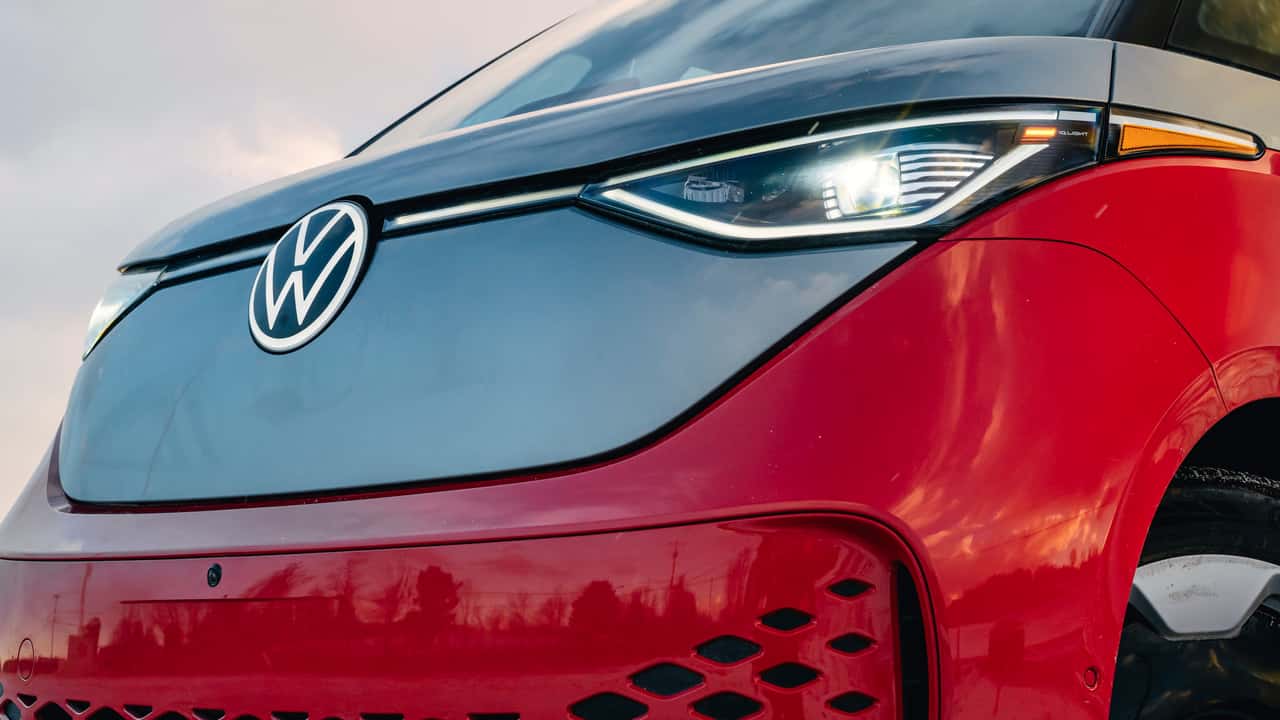
The Road Not Taken: Volkswagen's Secret Exploration of a Range-Extending Gas Engine for the ID. Buzz
Article summary
The Volkswagen ID. Buzz, with its retro-futuristic charm and all-electric powertrain, has firmly established itself as a beacon of modern mobility, a spiritual successor to the legendary Microbus. It embodies VW's ambitious pivot towards an electric future, built on the dedicated MEB platform. Yet, behind the scenes, a fascinating and somewhat contradictory chapter of its development unfolded: engineers actively explored equipping the beloved electric minivan with a gas-powered range extender, a revelation that peels back the layers on the pragmatic considerations faced by even the most dedicated EV manufacturers. This wasn't about a hybrid system in the conventional sense, but rather a small internal combustion engine acting purely as a generator, a silent guardian against range anxiety.
The mere contemplation of a gas engine within the ID. Buzz speaks volumes about the challenges and market realities Volkswagen grappled with. While the pure EV vision is compelling, the practicalities of long-distance travel, especially for a vehicle designed to evoke freedom and adventure like the original Microbus, presented a formidable hurdle. Range anxiety remains a significant barrier for many potential EV adopters, compounded by varying charging infrastructure availability across different regions. Furthermore, for potential commercial variants of the ID. Buzz, where predictable range and minimal downtime are paramount, a range extender could have offered a crucial safety net, extending operational capabilities far beyond what a pure battery-electric setup might comfortably provide on a single charge, particularly when carrying heavy loads or operating in colder climates.
Technically, integrating a range extender into an MEB-based vehicle like the ID. Buzz would have been an engineering feat. Unlike a traditional hybrid where the engine can assist in propulsion, a range extender operates purely to generate electricity, feeding the battery or directly powering the electric motors when the battery state of charge drops below a certain threshold. Think of BMW's i3 REx or Nissan's e-Power systems – compact, efficient generators designed to alleviate range concerns without directly driving the wheels. However, the MEB platform was meticulously designed from the ground up for pure electrification, meaning engineers would have faced significant challenges in packaging a fuel tank, exhaust system, cooling, and the engine itself within the existing architecture, all while battling the inevitable weight penalty and maintaining the ID. Buzz's unique interior space and dynamics.
This internal exploration highlights a profound philosophical debate within Volkswagen. On one hand, there's the unwavering commitment to the "ID." family's pure electric identity, a bold statement of intent for the future. On the other, there's the pragmatic understanding of customer needs and market acceptance, particularly in a transitional period for electric vehicles. The decision to even consider such a radical departure from the pure EV strategy underscores the intense pressure to deliver a product that is not only innovative but also universally appealing and practical. It reveals a willingness to explore all avenues, even those that might appear to contradict the core brand message, in pursuit of broader market penetration and customer satisfaction.
Ultimately, as the ID. Buzz stands today, it is a pure battery-electric vehicle, a testament to Volkswagen's steadfast commitment to its original vision. The range-extending gas engine concept was explored, debated, and presumably shelved. This decision likely stemmed from a combination of factors: the added complexity, cost, and weight that would have compromised the vehicle's efficiency and pure EV credentials, alongside the accelerating advancements in battery technology and expanding charging networks. VW likely concluded that the long-term benefits of a streamlined, uncompromised EV platform outweighed the short-term gains of mitigating range anxiety with a combustion engine.
The story of the ID. Buzz's flirtation with a range extender is more than just a footnote in its development; it's a fascinating case study in the evolving landscape of electric vehicle engineering and market strategy. It demonstrates that even industry giants like Volkswagen are constantly balancing ambitious environmental goals with the practical demands of consumers. While the gas-powered backup remains a road not taken for the ID. Buzz, its exploration serves as a powerful reminder of the complex journey towards a fully electric future, and the pragmatic considerations that shape the vehicles we drive. The ID. Buzz remains a pure electric icon, its pioneering spirit undimmed by the ghost of an internal combustion engine it never truly embraced.
OBD2HQ context
This article helps vehicle owners track changes that may affect maintenance cost, safety technology, service access and resale value. It is not a diagnostic procedure; if you have a warning light or symptom, open the matching OBD2 code, vehicle profile or car problem finder.